
[vc_row][vc_column][cz_gap height=”100px”]
Sustainable Renovations: How to Make Your Home More Energy-Efficient
Sustainability is a growing trend that is not only transforming the way we design and build our homes but also how we renovate existing spaces. If you want to reduce your ecological footprint and save money on your energy bill, sustainable renovations are the key. Here are some effective strategies to make your home more energy-efficient and eco-friendly.
One of the most important aspects of any energy-efficient home is insulation. Proper insulation helps maintain a constant indoor temperature, reducing the need for heating in winter and cooling in summer.
Improvement Ideas:
Wall and Ceiling Insulation: If your home has poorly insulated walls, consider installing insulating materials such as polyurethane foam or mineral wool.
Double-Glazed Windows: Installing high-efficiency windows with double glazing helps reduce heat loss and improves thermal comfort.
Seal Gaps and Cracks: Be sure to seal gaps around doors and windows to prevent air leaks.
2. Solar Panels: Clean Energy for Your Home
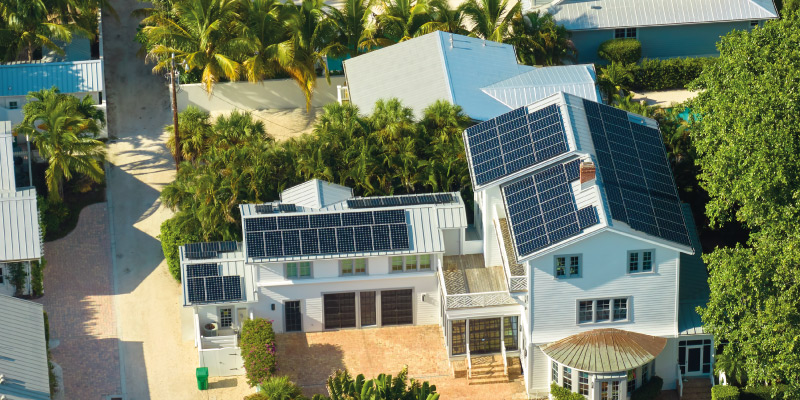
Installing solar panels on your roof is one of the most effective ways to make your home more sustainable. Solar energy is free, abundant, and significantly reduces your dependence on non-renewable energy sources.
Improvement Ideas:
Install Photovoltaic Solar Panels: This type of panel converts sunlight into electricity, helping you reduce energy costs and contribute to a greener world.
Energy Storage Batteries: Combine solar panels with energy storage batteries to make use of the energy even when the sun isn’t shining.
3. Energy-Efficient Appliances: Less Consumption, More Savings
Choosing energy-efficient appliances can make a big difference in your home’s total energy consumption. Look for products with Energy Star labels or A+++, which guarantee low energy consumption.
Improvement Ideas:
Replace Old Appliances: Older appliances tend to consume more energy than modern models, so replacing your refrigerator, washing machine, or air conditioner with efficient versions can greatly reduce consumption.
Smart Technology: Use smart thermostats and LED lighting systems that automatically adjust according to your habits and needs, optimizing energy consumption.
4. Renewable Energy Technology: Harnessing Nature’s Power
Utilizing other forms of renewable energy, such as wind or geothermal energy, is a more advanced way to make your home energy-efficient. Although these systems are more expensive, they can provide significant savings in the long run.
Improvement Ideas:
Geothermal Heating: Geothermal heat pumps use stored energy from the earth to efficiently heat or cool your home.
Wind Energy: If you live in an area with sufficient wind, installing a small wind turbine can be a viable option to generate your own electricity.
5. Replace Heating and Cooling Systems
Inefficient heating and air conditioning systems can be responsible for a large portion of your energy bill. Choosing cleaner and more efficient technologies can help reduce energy consumption.
Improvement Ideas:
High-Efficiency Heat Pumps: These pumps use outside air to heat or cool your home, making them a much more efficient option than traditional heating systems.
Smart Thermostats: Installing programmable thermostats allows you to control your home’s temperature remotely and ensures you’re not using unnecessary energy.
6. Use Eco-Friendly Materials in Renovation
When choosing materials for your renovation, opting for those that are eco-friendly, recycled, or low-impact can make a big difference. This not only reduces your home’s environmental footprint but also improves its energy efficiency.
Improvement Ideas:
Bamboo or Recycled Wood Flooring: Bamboo is a renewable and durable material that requires less energy to produce. Additionally, recycled wood is a more eco-friendly option than new wood.
Eco-Friendly Paints: Use paints that are free of volatile organic compounds (VOCs), which are not only less harmful to health but also improve indoor air quality.
7. Rainwater Harvesting: Water and Energy Savings
Implementing a rainwater harvesting system not only helps reduce your consumption of potable water but also allows you to use it for irrigation, reducing the need for electric-powered irrigation systems.
Improvement Ideas:
Install Rain Barrels: Rain barrels are easy to install and can be used to water your garden or for other non-potable uses.
Water Filtration System: Filter the rainwater so you can use it for household tasks that don’t require drinking water.
Conclusion
Sustainable renovations not only benefit the environment but also offer a host of economic advantages, from reducing your energy bills to increasing the value of your property. If you’re ready to make your home more energy-efficient and sustainable, contact us. Our team of experts in sustainable renovations can guide you every step of the way to make your home greener, more efficient, and more cost-effective.